The Ultimate Guide to Protecting Wool Sweaters All Season Long
CLOTHING CARECLOSET ORGANIZATION
1/1/2026


How to Care for Your Winter Clothing:
The Ultimate Guide to Protecting Wool Sweaters All Season Long
Winter clothing is an investment. From cozy wool sweaters and cashmere pullovers to cold-weather accessories, these pieces keep us warm year after year—but only if they’re cared for properly. Improper washing, poor storage, and exposure to moths can quickly ruin even the highest-quality garments.
If you’ve ever pulled out a favorite sweater only to find shrinking, stretching, or mysterious holes, you’re not alone. The good news? With the right laundry routine and storage system, your winter wardrobe can last for many seasons.
In this guide, you’ll learn how to properly care for winter clothing, with a special focus on wool sweater care, safe washing techniques, de-wrinkling tips, and smart storage solutions that protect against moth damage.
Why Proper Winter Clothing Care Matters
Winter fabrics—especially wool, cashmere, alpaca, and blends—are more delicate than everyday cotton. These natural fibers are prone to:
Shrinking from heat and agitation
Pilling from friction
Stretching when stored incorrectly
Damage from moths and pests
By following a few intentional care steps, you can:
Extend the lifespan of expensive garments
Keep sweaters soft, structured, and pill-free
Reduce replacement costs year after year
How to Wash Wool Sweaters the Right Way
Read the Care Label (Always)
Before washing any winter garment, check the care tag. Many wool sweaters are labeled hand wash only or dry clean recommended. Even if a sweater claims to be machine washable, gentle handling is key.
Use a Wool-Safe Laundry Detergent
Regular laundry detergent is too harsh for wool fibers and can strip natural oils, leading to stiffness and damage. A laundry detergent specifically formulated for wool cleans effectively while preserving softness and elasticity.
Best practice:
Choose a detergent labeled for wool or delicates
Avoid bleach, enzymes, or fabric softeners
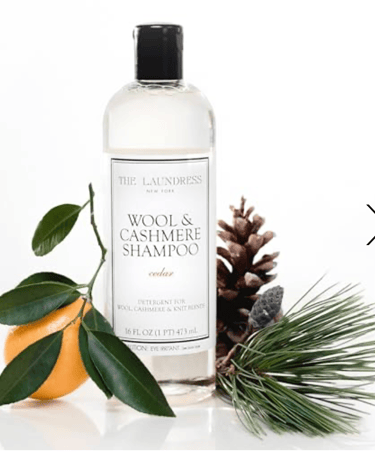
My Top Pick - The Laundress Wool & Cashmere Shampoo
Hand Washing Wool Sweaters
Hand washing is the safest option for wool and cashmere. Although some washers offer wool cycles you run the risk of the settings not being correct for that particular garment. I have definitely learned from my mistake of washing a wool sweater in the washer only to pull it out and find it has shrunken to an unwearable size.
Steps:
Fill a basin with cool or lukewarm water
Add a small amount of wool detergent
Submerge the sweater and gently press (do not scrub or wring)
Let soak for 10–15 minutes
Rinse thoroughly with cool water
Grab - Collapsible Basin: This multi-use was basin can be used for anything delicate from clothing to dishes plus it collapses when not in use.
De-Wrinkling and Drying Wool Without Damage
Skip the Dryer Completely
Heat is the enemy of wool. Never place wool sweaters in the dryer—even on low heat—as this causes shrinking and distortion.
Proper De-Wrinkle Techniques
After washing, sweaters will be heavy with water. Incorrect wringing
can stretch fibers permanently.
Instead:
Lay the sweater flat on a clean towel
Roll the towel tightly, pressing gently to absorb water
Unroll and reshape the sweater
Flat Drying Is Essential
Lay sweaters flat on a drying rack or towel, shaping them to their original size. Avoid hanging wet sweaters—this causes shoulder bumps and stretching.
De-wrinkling from Storage
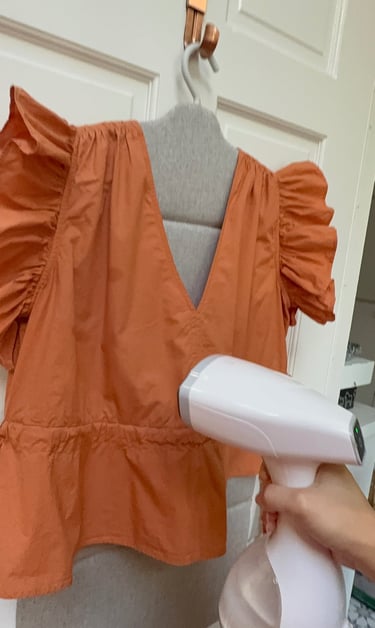
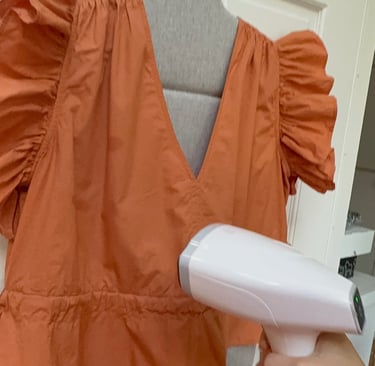
Pulling out a sweater from the box or bag and finding it all wrinkled right before you want to wear it is never fun but knowing how to safely de-wrinkle wool is a like saver. The OGHom Steamer for Clothes is your best friend for getting all the wrinkles out and looking polished for the day or event ahead. Pair with the Brabantia - Foldable Steam Board to make it easy to steam many types of clothing.
(*paid link).
For a quick refresh give your sweater a few spritz of - The Laundress Wool and Cashmere Fabric Spray.
How to Remove Pilling from Wool Sweaters
Pilling is natural with wool garments, especially in high-friction areas like underarms and sides. Removing pills properly restores the sweater’s appearance without damaging fibers.
Use a Sweater Comb
A sweater comb is one of the safest and most effective tools for de-pilling wool and cashmere. Unlike electric shavers a manual sweater comb doesn't cut the fibers. A sweater brush can be helpful to lift lint, fuzz, and dust and help distribute oils from the fibers.
How to use it:
Lay sweater flat
Gently glide the comb in one direction
Avoid pressing too hard
Regular use keeps sweaters looking new and prevents buildup.
Grab a comb: The Aran Sweater Care Set
Grab a brush: The Laundress Cashmere Brush
How to Store Wool Sweaters in Your Closet
Never Hang Heavy Wool Sweaters
Hanging causes stretching at the shoulders and neckline. Instead, always fold wool sweaters.
Store Clean Sweaters Only
Moths are attracted to body oils, sweat, and food residue. Even lightly worn sweaters should be cleaned before storage.
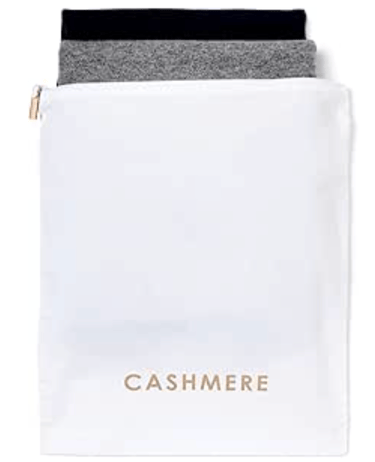
Use Storage Bags Designed for Cashmere and Wool
Protecting sweaters during off-season storage is just as important as washing them correctly.
Storage bags for cashmere and wool provide:
Breathable protection
Shielding from dust and pests
Structure that prevents crushing
Choose bags made from cotton or breathable fabric—
not airtight plastic, which can trap moisture and lead to mildew.
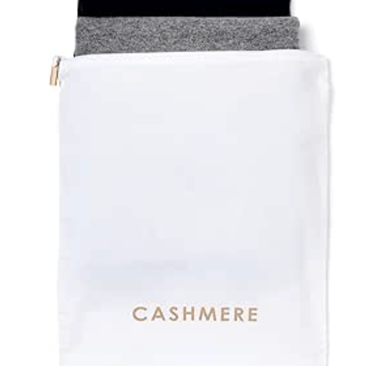
My Top pick: Cashmere Sweater Bag Set
For large sweater collections: The Cashmere Choice 5 Pack Storage Bags
How to Keep Moths Away from Winter Clothing
Moths are one of the biggest threats to wool sweaters, but prevention is simple with the right habits.
Natural Moth Repellents That Work
Avoid traditional mothballs, which contain harsh chemicals and leave strong odors. Opt for eco-friendly alternatives like Cedar Blocks-this variety pack gives you many storage options for your closets with blocks, chips and hanger blocks. (*paid link)
For additional fragrance:
Cedar blocks - Simply use sandpaper to help you revive the cedar fragrance over time
Lavender sachets - a wonderful natural fragrance and natural pest deterrent. (*paid link)
Essential oil-infused cedar
Place repellents:
Inside storage bags
On closet shelves
In dresser drawers
Keep Closets Clean and Airy
Vacuum closets seasonally
Avoid overcrowding shelves
Rotate stored items occasionally
Air circulation helps discourage pests and moisture buildup.
Seasonal Closet Care Tips for Winter Clothing
Rotate Clothing Seasonally
Store heavy sweaters during warmer months to reduce wear and keep your closet functional. Choose a box with a clear window so you can easily know what's being stored with output having to take it off the shelf.
My Top pick: Garment Box for Wool
Label Storage Bags
Label by category or season so sweaters aren’t repeatedly unpacked unnecessarily. If the box doest have a label holder simply place a label on the inside of the window area or tie it onto the zipper pull.
Inspect Garments Mid-Season
Check for:
Pilling
Loose threads
Signs of moth activity
Early detection prevents further damage.
Common Winter Clothing Care Mistakes to Avoid
Washing wool in hot water
Using standard detergent
Hanging heavy sweaters
Storing dirty garments
Using plastic bins without airflow
Avoiding these mistakes alone can double the life of your winter wardrobe.
Final Thoughts: Invest in Care, Not Replacement
Caring for winter clothing doesn’t have to be complicated—it just needs to be intentional. With the right wool detergent, sweater comb, and storage bags for cashmere, you can protect your favorite sweaters, keep them looking polished, and avoid unnecessary replacements.
A well-maintained winter wardrobe saves money, reduces clutter, and ensures you’re always ready for cold weather—without the frustration of damaged clothing.
If you’re building an organized, functional closet, proper garment care is just as important as storage solutions.
Product Recap:
*article contains affiliate links and paid ads